
The Academy has never simply handed out Oscars for the best acting, and everyone in the 2026 Best Actor race knows it. Winning is not a laboratory measurement; it is a group hug, a grudge, a campaign calendar, and a box-office spreadsheet all wearing the same tuxedo. Actors can control how many events they attend, how gracefully they treat crews, and whether they are remembered as a reliable veteran or a trailer-door hermit. They cannot control whether the movie around them lands like a champagne toast or a dropped casserole. This year, that uncontrollable part is making an unusual amount of noise.
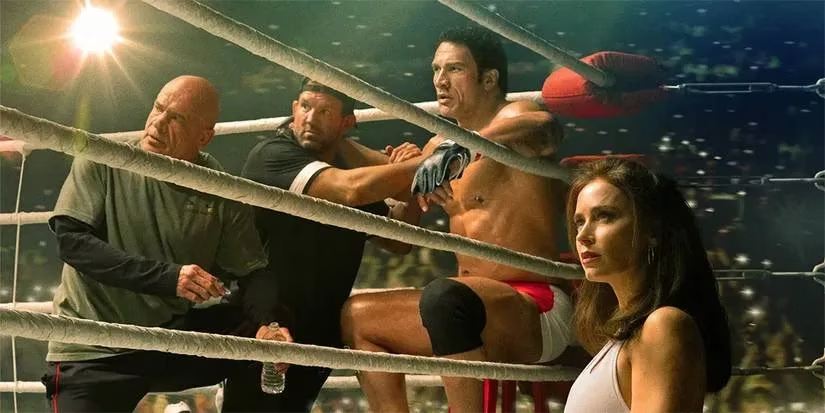
Dwayne Johnson is the clearest case study. He began awards season in enviable position: The Smashing Machine debuted at Venice to generally good reviews, with particular praise for his lead performance. At the premiere, he teared up during a 15-minute standing ovation, a moment that had no official bearing on the race but carried the unmistakable aroma of an early coronation. Coming out of the fall festivals, much of the chatter pointed his way. Then the movie opened well below expectations, and the headlines switched from Oscar talk to worst-ever box-office debut talk. As one of A24's most expensive movies, the film is reportedly expected to lose $10-15 million when all is said and done.
That does not eliminate Johnson. He has compelling narratives, plenty of peers who would like to see him succeed, and the kind of long-standing box-office stature that can make a flop stick to him like glitter to a wet sleeve. But he is now fighting the momentum of his own movie, which is a strange job for a man who usually is the momentum.
The Smashing Machine and the Tyranny of Opening Weekend
Oscar campaigns are less a sprint than a weather system made of tiny handshakes, hotel ballrooms, and carefully timed magazine profiles. A great performance in a poorly received film is like a perfect soufflé in a restaurant with a flooded parking lot: diners may praise the chef, but they still remember the valet situation. The Academy is not immune to that mental accounting. A movie's reception beyond the actor's work can become a shadow that follows the performance around.
Johnson is also not alone. One Battle After Another is in a much stronger overall position, but a lot of attention has been directed at its sizable budget. It is earning well for an original film of its kind, yet it is still reportedly tracking to lose Warner Bros. $100 million. Leonardo DiCaprio gives one of the performances of his career in that film, but as arguably the value-add star working today, does he get blamed for the red ink or credited for the gross? That is the sort of question that makes awards consultants wake up at 3 a.m. and stare at a ceiling fan.
| Contender | Film | The Oscar-friendly part | The pesky asterisk |
|---|---|---|---|
| Dwayne Johnson | The Smashing Machine | Venice praise, a standing ovation, and a beloved industry narrative | An expensive A24 bet opened below expectations and may lose $10-15 million |
| Leonardo DiCaprio | One Battle After Another | Career-best notices and auteur shine | Big-budget chatter and a reported $100 million loss projection for Warner Bros. |
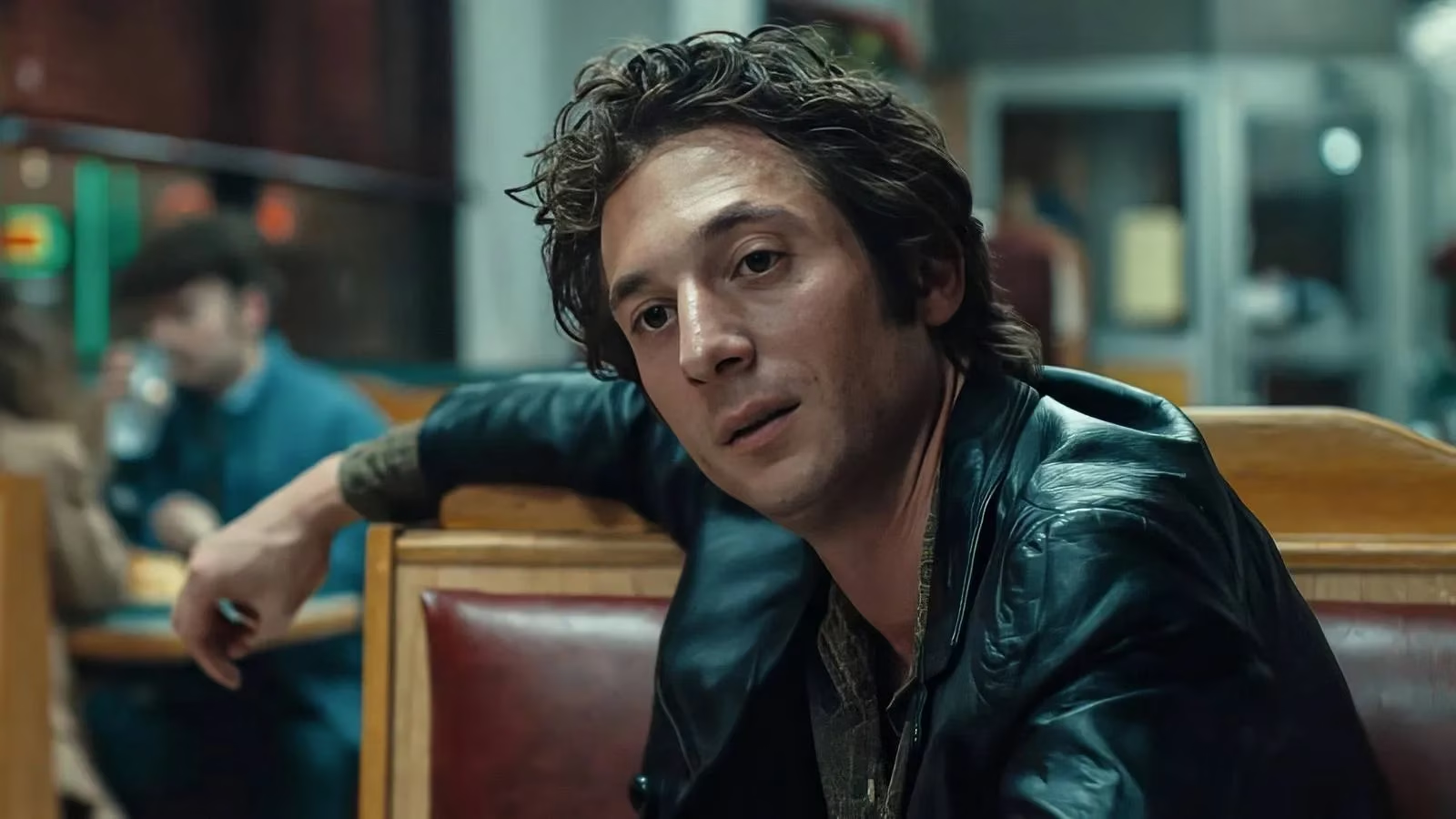
| Jeremy Allen White | Springsteen: Deliver Me from Nowhere | Telluride praise and the campaign-friendly detail that he does his own singing | The film underperformed domestically, opening fourth |
| Michael B. Jordan | Sinners | A successful overall film could supply a useful tailwind | He still has to survive a crowded field, not just a box-office ledger |
Just this weekend, Springsteen: Deliver Me from Nowhere underperformed, opening fourth domestically. Jeremy Allen White has earned praise since Telluride, and his own singing gives him a great angle to campaign on. But A Complete Unknown, whose actors rode much the same wave last year, was a hit. Could that comparison keep White out of the final five? It is unfair, but fairness is not a category at the Oscars.
When the Ledger Starts Campaigning
Box office alone will not determine the Best Actor race, but this year is going to test how much it can matter. The race can resemble a regatta where the boat's engine is studio accounting: everyone insists the wind is what counts, while quietly checking the fuel gauge. If the contest comes down to, say, Johnson and Michael B. Jordan, the overall success of Sinners could tip the scales in Jordan's direction. That is not because voters sit around comparing quarterly reports for fun, but because success creates a warm glow and failure creates a question mark, and question marks are easier to remember than nuance.
None of this is entirely rational, which is precisely why it feels so Oscar-ish. The Academy likes a comeback, a veteran finally getting a moment, and a likable star who has paid his dues. It also likes a film that feels like a cultural event rather than a cautionary tale about budgets. Johnson has the first set of narratives. What he lacks, at the moment, is the second. He is not out of the race, but he is no longer gliding; he is rowing against a current made of opening-weekend headlines.
DiCaprio, meanwhile, gets to play the more elegant version of the same game. His film has stronger overall standing, and his performance is being described as one of his career's best. But the budget talk gives voters a tiny trapdoor: they can admire the work while tutting about the business. White has the charm of a musician-actor doing his own singing, but his film's soft opening invites the dreaded comparison to last year's hit. Jordan may benefit simply because Sinners looks like a success rather than a liability.
The 2026 Best Actor race is not going to be decided by a single spreadsheet, but the spreadsheet is definitely in the room. It is sitting in the corner, pretending not to listen, while everyone discusses art. The actor who can make voters forget it is there may have the best chance of all. After all, the Academy loves a great performance, but it also loves a story that does not require a footnote about losses. 🎭