
As of 2026, Netflix's horror television landscape has felt a bit... quiet, hasn't it? For years, the platform was the undisputed champion of chilling, binge-worthy series, largely thanks to the masterful touch of Mike Flanagan. His departure left a gaping hole, a void that subsequent shows have struggled to fill. But whispers of a potential redemption arc are growing louder, and they're centered on a classic name from literary history: Oscar Wilde. The streaming giant is officially developing The Grays, a modern adaptation of Wilde's The Picture of Dorian Gray, and it just might be the shot in the arm the genre needs.
Let's rewind a bit. The Flanagan era was something special. He didn't just make horror shows; he crafted deeply emotional, character-driven sagas that happened to be terrifying. From the family trauma of The Haunting of Hill House to the gothic romance of Bly Manor and the poetic madness of The Fall of the House of Usher, his work set a ridiculously high bar. These weren't just scary stories; they were adaptations, cleverly reimagining the works of Shirley Jackson, Henry James, and Edgar Allan Poe for a modern audience. When he packed his bags for Prime Video and the big screen, it felt like the heart of Netflix horror went with him. The platform has had some solid horror films, sure, but its TV side? Well, let's just say the pickings have been slim.
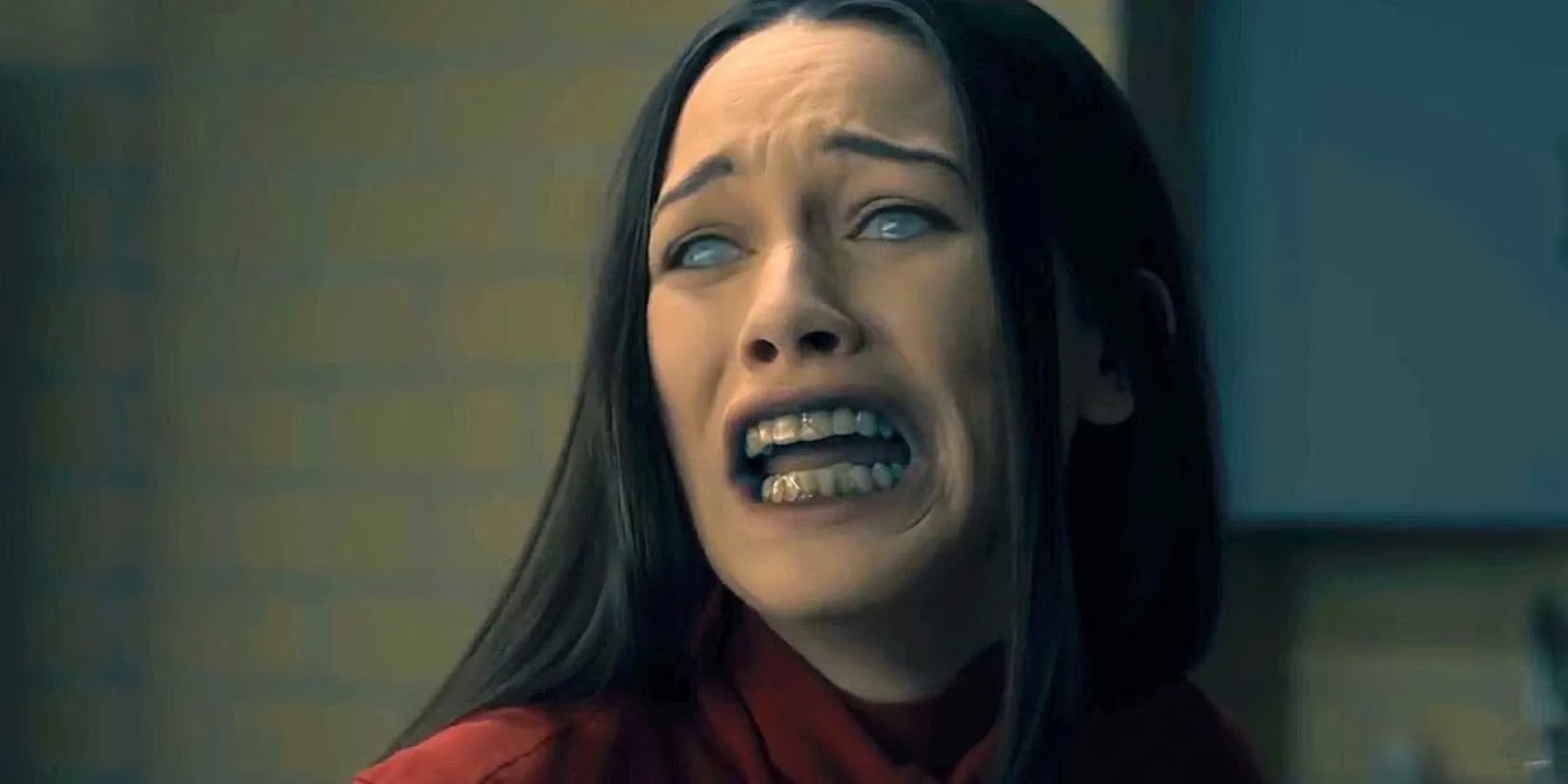
Enter The Grays. This isn't just another period piece. Netflix is taking a page right out of Flanagan's own playbook by modernizing a classic. The series, penned by Katie Rose Rogers (Supergirl, Fellow Travelers), transplants the tale of vanity and moral decay into the cutthroat world of the contemporary beauty industry. Instead of a single, beautiful young man, the story will revolve around siblings Basil and Doran Gray. That's a fascinating twist—shifting the dynamic from a solitary portrait to a shared, perhaps competitive, secret. The original novel's themes of eternal youth, hidden sin, and the monstrous cost of beauty are, frankly, tailor-made for an era obsessed with filters, fillers, and perpetual online perfection. It's a premise that practically writes its own social commentary.
Now, adapting a beloved classic is always a gamble. Purists might clutch their pearls at the thought of moving Dorian Gray from a Victorian drawing room to a sleek, modern studio. But history—Netflix's own recent history—suggests this approach can work wonders. Think about it:
-
The Haunting of Hill House: A loose, emotional adaptation of Shirley Jackson's novel that became a cultural phenomenon.
-
The Fall of the House of Usher: A wild, interconnected tapestry pulling from dozens of Poe's works.
-
Archive 81: A Lovecraftian nightmare woven from several of the author's most unsettling stories.
These shows proved that faithfulness to the spirit of the source material can be more powerful than a slavish page-to-screen translation. They honored the original themes while making them resonate with today's viewers. That's the blueprint The Grays seems to be following.
So, can it actually redeem Netflix's horror TV reputation? The potential is definitely there. The source material is iconic and rich with horror potential that goes beyond simple jump scares. The modern setting is ripe for exploration. And the creative team brings solid credentials. But potential and execution are two different beasts. The show will need to capture that elusive blend of genuine horror, compelling drama, and thematic depth that made Flanagan's work so special. It can't just be a procedural about bad beauty treatments; it has to delve into the psychological horror of identity, aging, and the price of selling one's soul—or one's face—for fame.
In a streaming landscape where horror is booming on other platforms, Netflix needs a win. The Grays represents more than just a new show; it's a statement of intent. It's the platform saying, "We remember how to do this." Only time will tell if this portrait ages well or if it cracks under the pressure. But for the first time in a while, horror fans have a concrete reason to be optimistic about what's next in their Netflix queue. The wait for the next great horror saga might finally be over.