
Horror has long been the Academy’s awkward blind spot. The complaint is familiar, and by 2026 it still has teeth: year after year, actors do terrifying, tender, technically precise work in horror films, and awards season treats the genre like a distant cousin. There are exceptions, of course. The Silence of the Lambs swept major categories. Get Out won Best Original Screenplay and earned Daniel Kaluuya a Best Actor nomination. Those wins matter. They also look like exceptions that prove the rule. Too many horror performances never get the buzz they deserve. The following ten turns are not just genre highlights. They are awards-worthy acting, full stop.
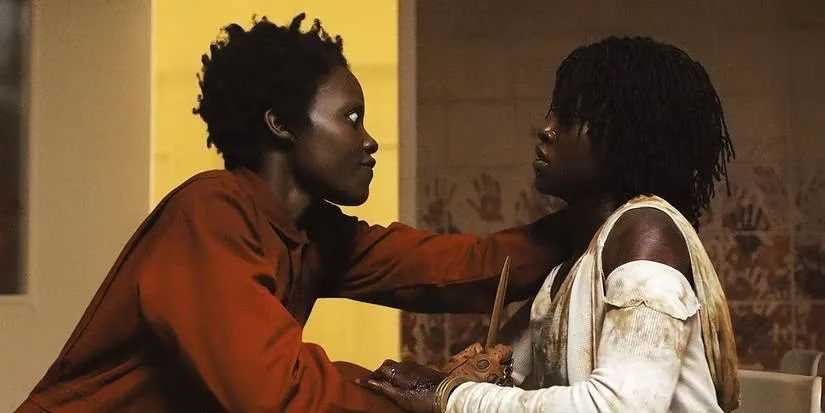
Jeff Goldblum Turns Body Horror Into Tragedy in The Fly
Jeff Goldblum is now widely known for whimsical charm, which makes his work in The Fly especially jarring. As Seth Brundle, he begins as a brilliant, excited inventor and slowly becomes something monstrous. The prosthetic makeup is famous, but the performance underneath it is the real achievement. Goldblum keeps a human thread alive even as Seth becomes sinister. That balance makes the decline gripping instead of merely gross. It is one of the great horror performances, and the Academy never gave it a serious look.
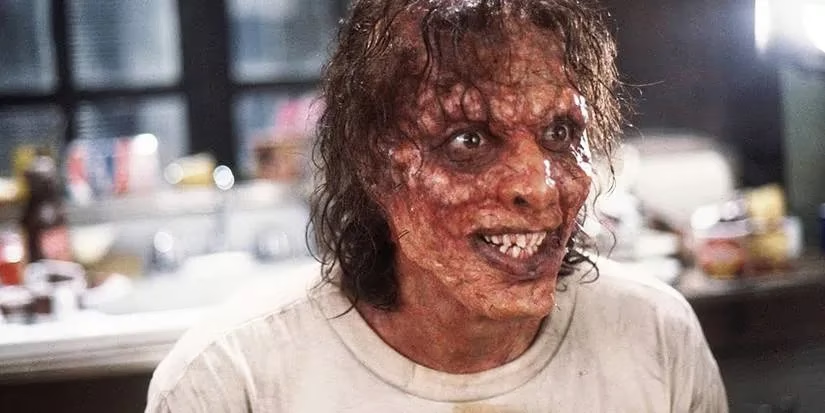
Naomi Scott Makes Smile 2 a Star Turn
Sequels rarely improve on the original, but Smile 2 did, largely because of Naomi Scott. She plays Skye Riley, a pop star caught in the film’s curse, and the role demands a full-body descent into fear. Scott looks genuinely terrified, then unhinged, then exhausted, and each shift feels earned. Reviews singled her out for good reason. She earned major genre attention, including a Saturn Award nomination, but the Oscar conversation never fully opened. In 2026, that omission still feels like a missed opportunity.
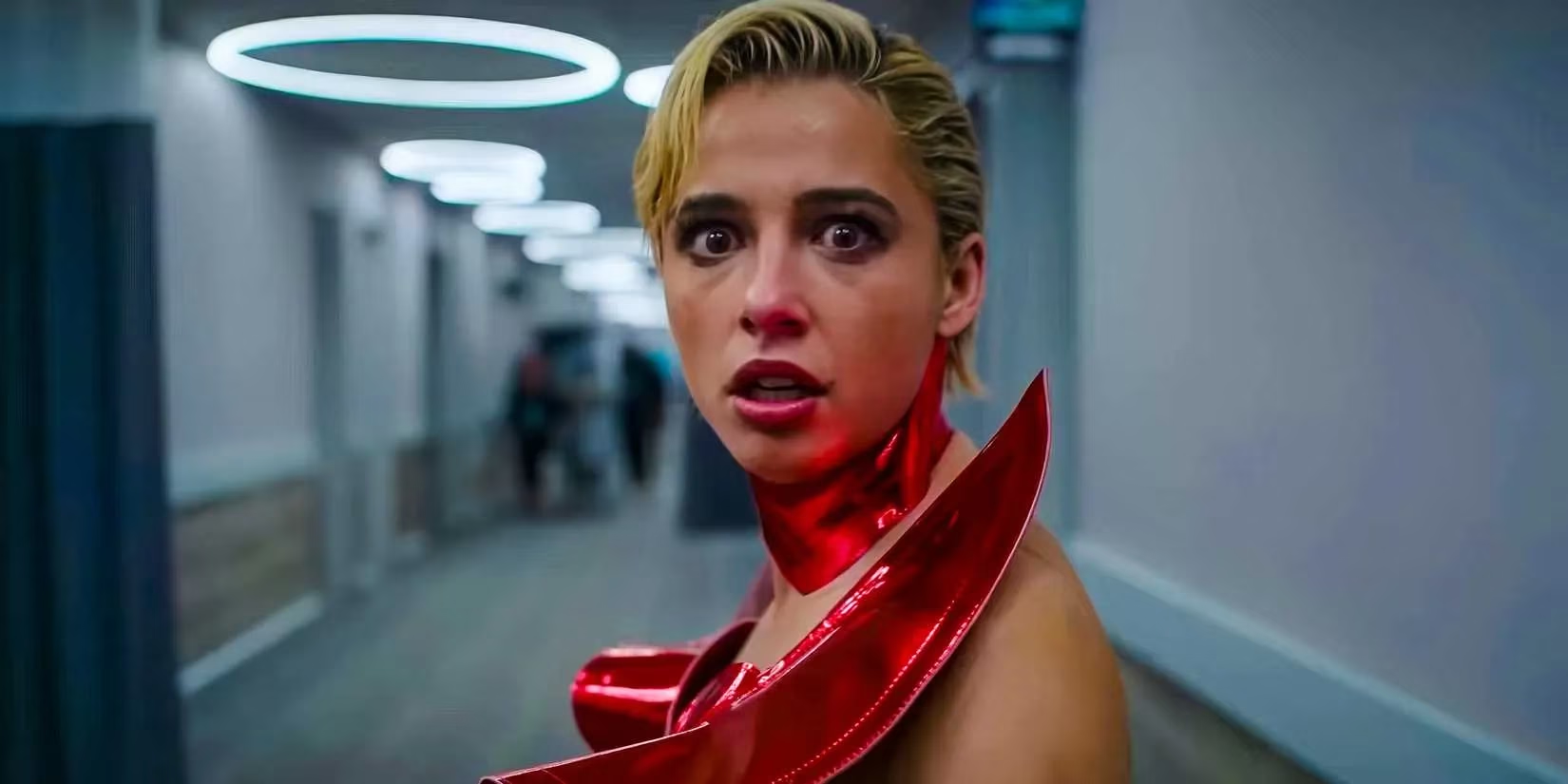
Christian Bale Finds the Laugh and the Threat in American Psycho
Christian Bale’s Patrick Bateman is funny. That sentence can sound wrong, but it is central to why the performance works. Bale plays Bateman with wit, vanity, and a terrifying emptiness. He can make a mundane business card exchange feel like a duel, then turn a chainsaw chase into pure nightmare. The role helped launch Bale into stardom and proved he had the charm and control to play Bruce Wayne later. It is a layered turn that remains one of his best, horror or otherwise.
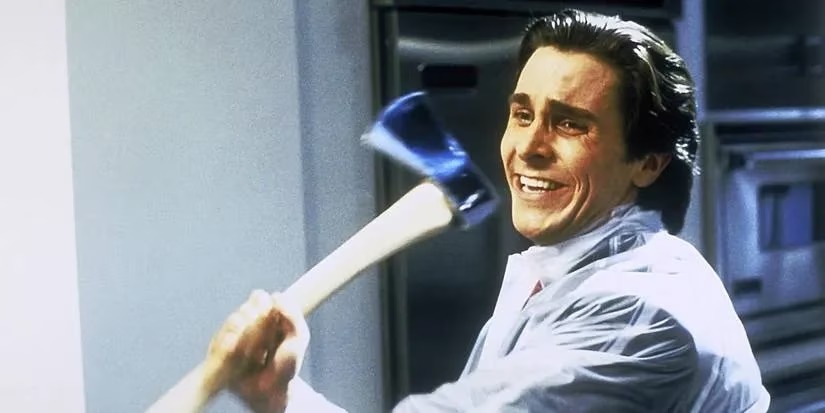
James McAvoy Carries Split With a Crowd of Personalities
M. Night Shyamalan’s Split rests almost entirely on James McAvoy’s shoulders. He plays Kevin Wendell Crumb, a man with dissociative identity disorder, and the role requires him to embody Dennis, Hedwig, Patricia, Barry, The Beast, and more. The miracle is that audiences can tell which personality is present before he speaks. Each one has a different posture, rhythm, and energy. Even when the story takes wild turns, McAvoy is impossible to look away from. It is the best performance of his career and a masterclass in control.
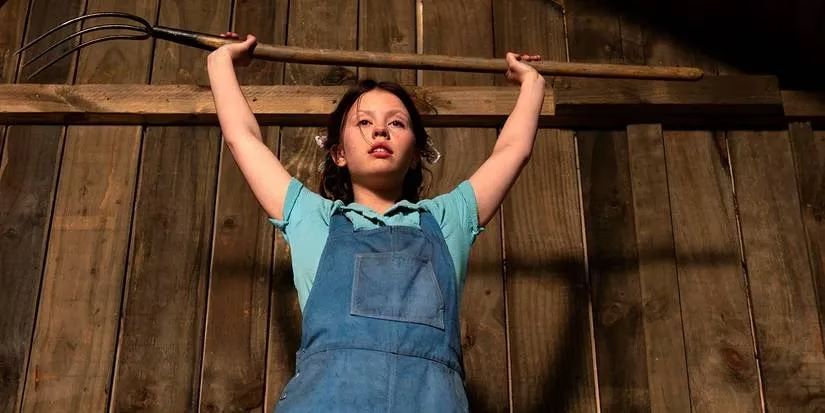
Mia Goth Makes Pearl Impossible to Shake
Mia Goth had already impressed in Suspiria and X, but Pearl turned her into a genuine horror star. The prequel follows Pearl’s younger years and her desperate dream of becoming a movie star. Goth plays that longing with unsettling sweetness. Every scene feels charged because Pearl’s violence and vulnerability sit side by side. The final shot, a pained smile held through the credits, has become iconic. It is the kind of committed performance awards bodies claim to love. They just rarely say it about horror.
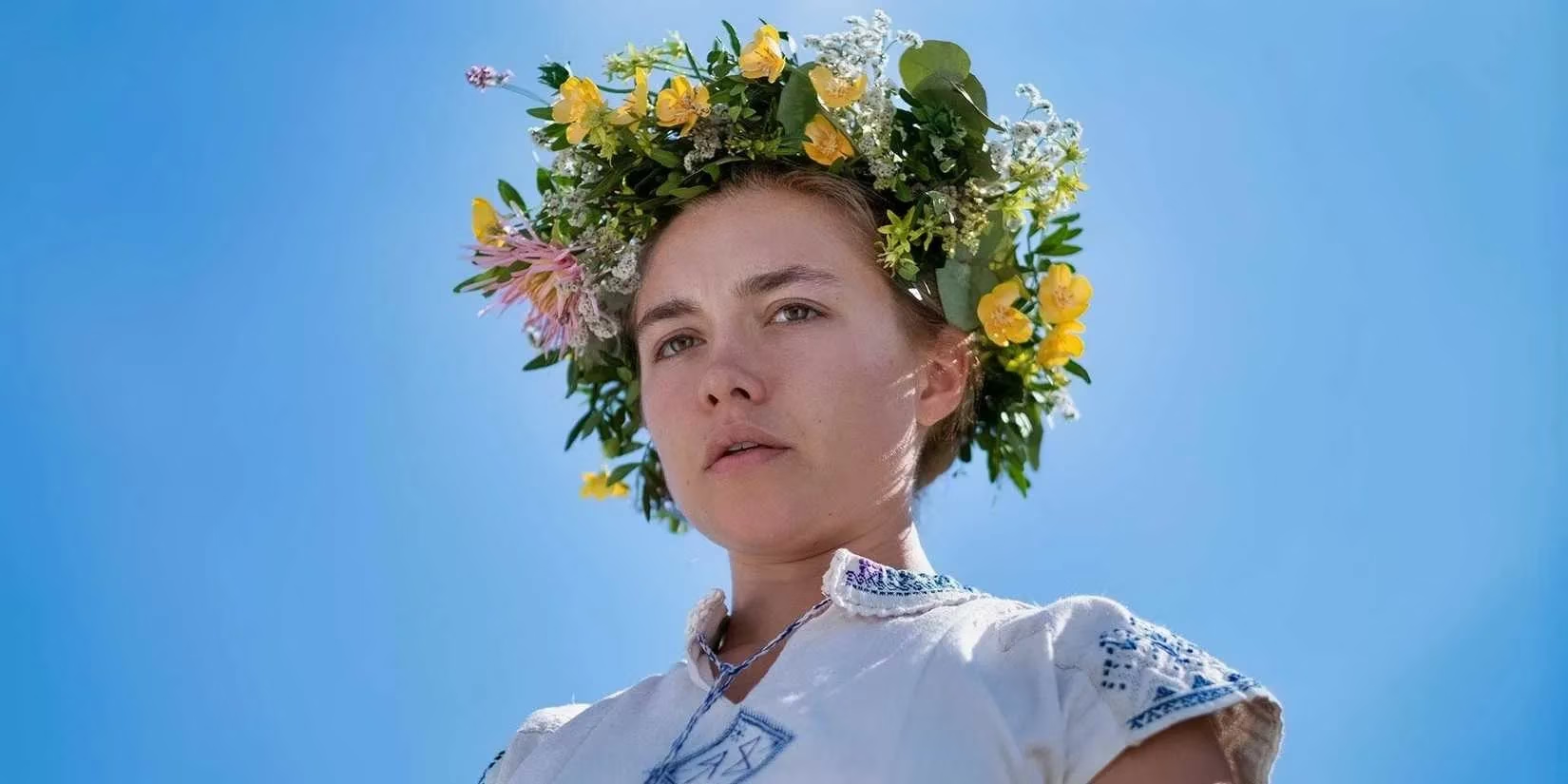
Florence Pugh Turns Grief Into a Performance in Midsommar
Florence Pugh had a breakout 2019, with Fighting with My Family and an Oscar-nominated turn in Little Women. Her best work that year, though, came in Ari Aster’s Midsommar. As Dani, she carries grief, shock, and a slow, uneasy awakening. The film is often filed under ‘good for her’ horror, but Pugh’s performance is more complicated than that. Audiences empathize with her pain, understand her isolation, and then feel deeply uneasy about where she ends up. Pugh makes every step believable.
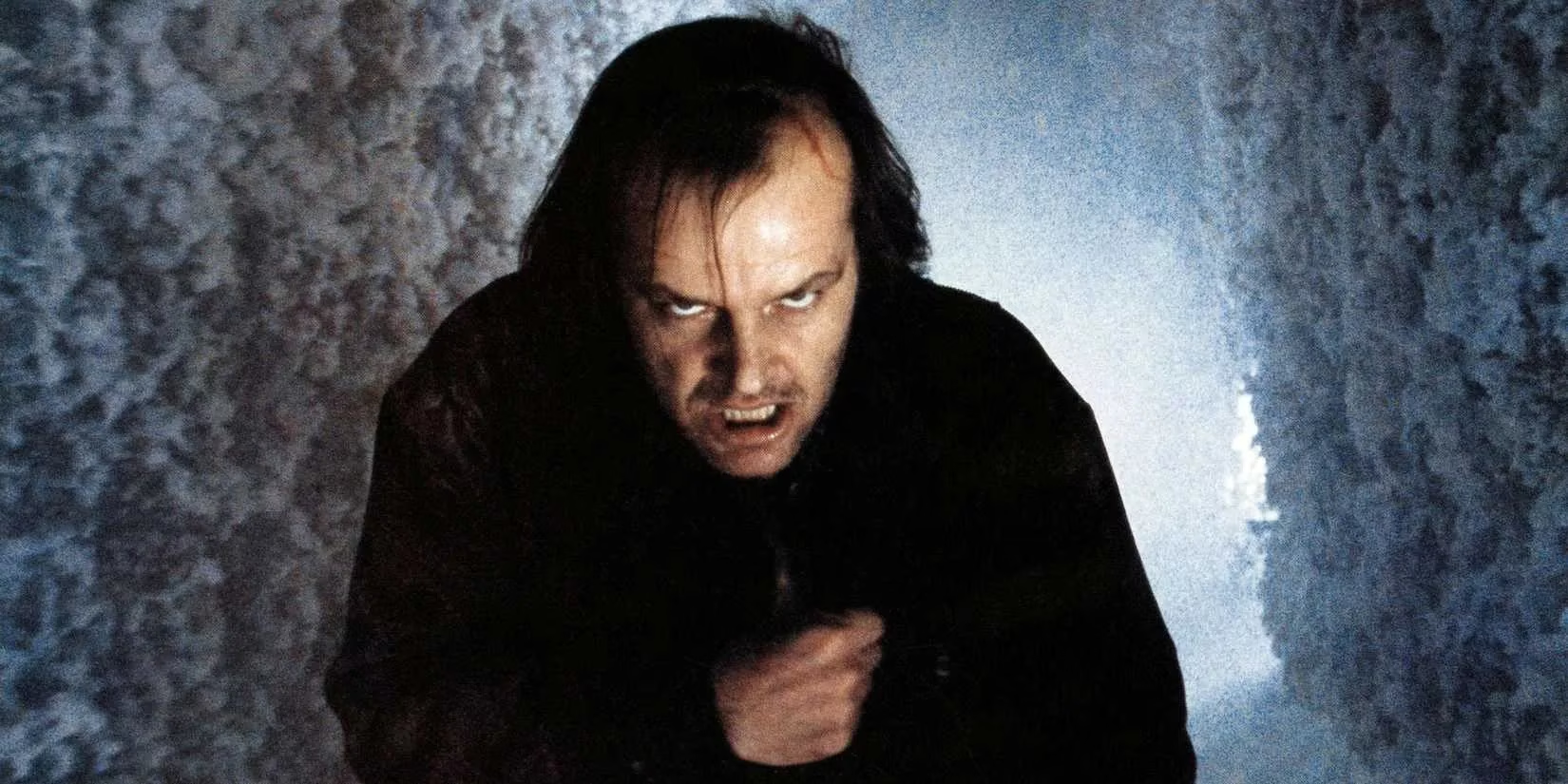
Jack Nicholson Makes The Shining a Study in Domestic Terror
Stephen King has famously disliked Stanley Kubrick’s The Shining, but the film remains one of the most acclaimed horror movies ever made. Jack Nicholson’s Jack Torrance is a major reason why. He starts with a thin mask of civility and then lets it rot away. The performance is theatrical in places, yet deeply unsettling. Nicholson makes Jack’s cruelty feel intimate. The Overlook Hotel may be haunted, but Jack is the danger his family cannot escape. That is why he remains one of cinema’s great villains.
Anthony Perkins Built a Killer in Psycho
Anthony Perkins’ Norman Bates is one of the most influential performances in film history. He plays the motel proprietor as shy, polite, and deeply off. Perkins perfected the character’s ambiguity. One moment, Norman seems harmless. The next, his smile suggests something far worse. Psycho earned four Oscar nominations, including one for Janet Leigh, yet Perkins was not in the Best Actor conversation. Decades later, that snub still looks baffling. The performance helped define the slasher genre and remains a benchmark for horror acting.
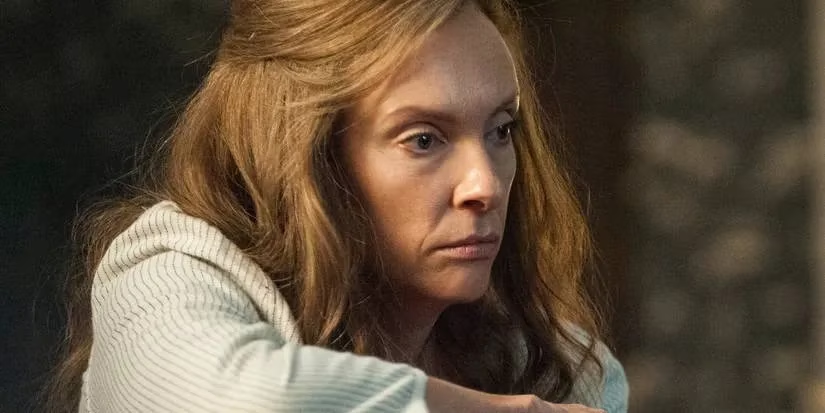
Toni Collette Is the Heart of Hereditary
A year before Midsommar, Ari Aster’s Hereditary gave Toni Collette one of the great roles of her career. As Annie Graham, she plays a grieving mother who slowly unravels. Collette moves from shock to rage to something almost hollow, and she never loses the character’s humanity. The 2019 Oscars did not even nominate her, a decision that remains one of the Academy’s most glaring horror snubs. Her work is layered, raw, and more demanding than most of what awards season usually rewards.
Lupita Nyong’o Doubles Down in Us
Lupita Nyong’o won an Oscar for her feature debut in 12 Years a Slave, so her talent was never in question. Her work in Us is still a career high. She plays both Adelaide Wilson and her doppelgänger Red, and the two performances are distinct in voice, posture, and threat level. Adelaide is fearful and guarded. Red is menacing and theatrical. Dual roles are difficult to pull off without turning into a gimmick. Nyong’o makes both women feel real, and she does it in a Jordan Peele film that is even scarier than Get Out.
The Pattern Is Still Worth Challenging
| Performance | Film | Why It Deserved Oscar Attention |
|---|---|---|
| Jeff Goldblum | The Fly | Physical transformation matched by emotional clarity |
| Naomi Scott | Smile 2 | Sustained terror and a full emotional breakdown |
| Christian Bale | American Psycho | Satire, charm, and menace in one performance |
| James McAvoy | Split | Multiple distinct personalities with seamless control |
| Mia Goth | Pearl | Vulnerability and violence in a single stare |
| Florence Pugh | Midsommar | Grief, empathy, and unease carried through the whole film |
| Jack Nicholson | The Shining | Domestic terror made intimate and believable |
| Anthony Perkins | Psycho | Ambiguity that shaped an entire genre |
| Toni Collette | Hereditary | Raw grief and total unraveling |
| Lupita Nyong’o | Us | A dual role with two fully realized performances |
Horror has always asked actors to do more with less: less prestige, less awards attention, and often less respect. Yet these performances show how rich the genre can be. In 2026, the Academy has improved in some areas, but horror still tends to be treated as a commercial thrill rather than an acting showcase. That needs to change. A great performance is a great performance, whether it happens in a period drama or in a motel, a cult festival, or a haunted hotel. 🎬